Table Of Content

Cruise ships are also outfitted with onboard motion sensors, smoke detectors, internal and external video monitoring systems, advanced communications systems, and more. These modern systems and precautions are designed with passenger safety in mind. As you will discover, all cruise lines have a moral and legal obligation to ensure the safety of all passengers they are responsible for.
Ensuring Safety at Sea
Once deployed, the lifeboat can navigate independently (at max speed 6 knots/7 mph/11 kph) for 24 hours. Structure design and hull weren't the only elements that improved drastically over the past century. In 1912, RMS Titanic had navigational aids that were few and typical of the period - chronometer combined with Nautical Almanac reference. GPS is used by cyclists and hikers along with drivers and merchant ships.
Where can you find your people? More travelers are looking to themed cruises
If you plan to explore independently, make sure your cellphone is charged, take the emergency number for the ship with you (this is often printed on a tear-off slip in the daily program), and use a money belt. Excessive alcohol consumption also risks your health, especially when paired with hot weather. Not only can it add empty calories, but it can increase the risk of dehydration. Overindulgence in alcohol can increase the risk of accidents, or making bad decisions. Drink responsibly, know your limits, and avoid accepting drinks from strangers.
Befriend Your Cabin Steward
Are Cruises Safe? 9 Tips for Staying Safe on a Cruise Ship - Cruise Critic
Are Cruises Safe? 9 Tips for Staying Safe on a Cruise Ship.
Posted: Fri, 10 Nov 2023 08:00:00 GMT [source]
While we don’t want to discount incidents that do happen, we have never felt unsafe on a cruise or in a port of call. Falling OverboardLet’s start with a phobia of many people — falling overboard. Railings surround the entire ship and these railings are all at a considerable height. Now that the pandemic has passed, ships have returned to normal protocols, just like most of society. While it is possible to get Covid on a cruise, its largely no longer causes the disruption it once did.
All onboard transactions can be carried out with your cabin key card as a credit card (which you should keep an eye on always). Whether you're new to cruising or a seasoned sailor, you'll notice that not all cabin doors automatically close, so give them a pull when you leave and a push when you are inside to make sure they click shut. They can, however, treat things like seasickness, cuts and bruises and other minor ailments without the need to offload passengers.
Handling cash on a cruise requires a blend of prudence and practicality. Most cruise lines offer cashless systems, so take advantage of these for onboard purchases. Plus, their frequent presence around your cabin adds an extra layer of security, offering peace of mind while you’re out exploring the ship or ashore. Remember, a smile and a kind word go a long way in building this important connection. Your cabin steward isn’t just there to keep your room tidy; they’re a vital part of your safety team. A friendly relationship means they’re more attuned to your habits and preferences, which can be crucial in spotting anything amiss.
How to Avoid Getting Sick on Cruise Ships
Even so, it's important to keep a close watch on young children at all times. Almost all cruise ships have at least one doctor and two nurses onboard to handle medical emergencies. These medical professionals are equipped to handle a wide range of medical emergencies.
Are cruises safe? What you need to know about cruise ship security - The Points Guy
Are cruises safe? What you need to know about cruise ship security.
Posted: Tue, 26 Mar 2024 07:00:00 GMT [source]
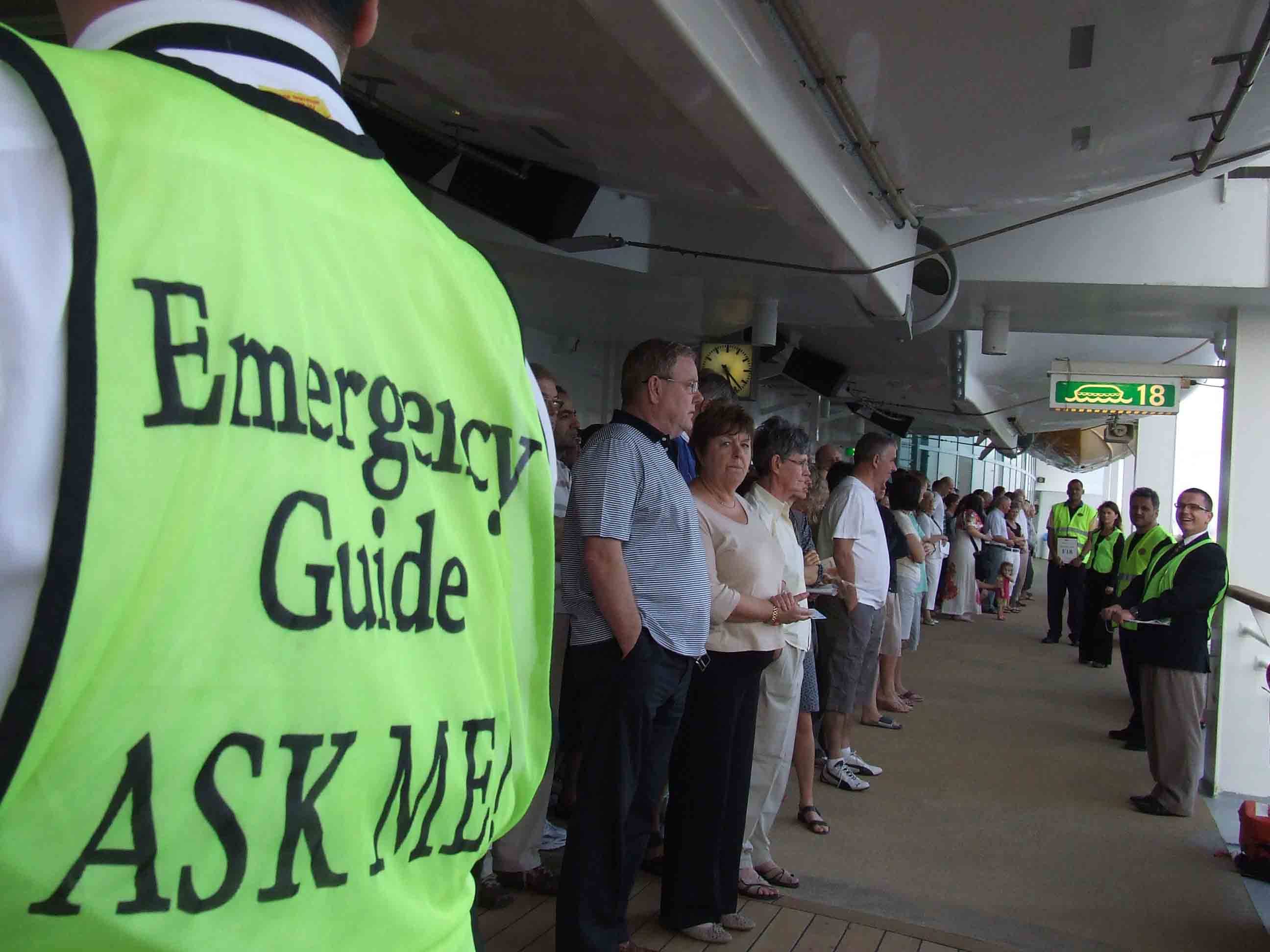
These drills familiarize passengers with emergency procedures, including where to find those bright orange life jackets. When it comes to traveling, cruises are one of the safest options you can choose. This isn’t just a casual observation; the statistics and procedures in place firmly back this up. Additionally, cruise lines must have emergency plans that outline procedures for handling various emergencies, including medical crises, fires, and pirate attacks. These plans are reviewed and updated regularly to ensure their effectiveness.
(Coronavirus) Cruise passenger health and safety issues (temperature screening, social distancing)
Hugo Martín is an assistant editor on the Fast Break Desk, the Los Angeles Times’ breaking news team. He has been a journalist with the Los Angeles Times for more than 30 years, covering politics, transportation, travel, business and the outdoors. A native Californian, Martín was part of the Metro staff that won Pulitzer Prizes in 1993, 1995 and 1998.
The Coast Guard conducts routine onboard inspections of cruise ships to ensure compliance with applicable laws and regulations. The fact is that all cruise lines take health, safety, and security very seriously. From complying with international rules and regulations to implementing rigorous inspections, cruise ships are designed to keep passengers and crew safe.
These ensure that all essential safety systems remain online, including the ship’s interior and exterior lighting, ventilation systems, and all navigational equipment. The cruise ship’s medical facilities can also draw upon backup power systems. SOLAS is continuously updated to ensure that all ships feature the latest safety technology and follow the most up-to-date safety measures. To reduce the chances of these incidents, most cruise ships are designed so that falling off the ship accidentally would be almost impossible. All open-air areas of the ships are protected with high railings and more sophisticated safety measures, like motion sensors and cameras that would detect any such incident. Even the International Maritime Organization (IMO) reports that the number of accidents per million passengers on cruise ships is significantly lower than on other passenger vessels.
For cruise lines, passenger safety is always one of the top priorities. The industry's guarantee for customer service and ship safety is called "CRUISE PASSENGER BILL OF RIGHTS" and was approved by CLIA (Cruise Lines International Association) on May 22, 2013. All CLIA members agreed to Bill's provisions, which became immediately effective for US passengers purchasing cruises on CLIA member companies in North America, regardless of the itinerary. The technological advancements have reduced navigation risks radically and have thus improved cruise vessel safety, since RMS Titanic's days. Undoubtedly, there is more to come, as the knowledge of the marine environment is being enhanced further in the future.
Yes, any cruise ship that is not adult-only will have specific policies and strategies to keep children safe while on the vessel. Cabins with childproof locks and child-safe edges are provided for those traveling with children. Parents are also encouraged to walk their children through mandatory safety and muster drills so even kids know how to stay safe while on the ship. All ships carrying children must also provide child-sized life vests and other safety equipment suitable for children. As mentioned, cruise ships also feature fully staffed and equipped medical facilities.




No comments:
Post a Comment